
The Team:
Sarah Osborne- Inclusion Lead and SENCo
Sarah leads inclusion across the school. She works closely with families, staff, the Local Authority, and external professionals to ensure that children receive the support they need to thrive both academically and emotionally.
Molly Rush- Assistant SENCo
Molly supports the leadership and development of Focus groups and oversees the delivery of day-to-day learning, helping to ensure that each child’s individual needs and strengths are at the heart of their educational experience.
SEN Practitioners
SEN Practitioners deliver personalised teaching and specialist interventions, creating engaging learning opportunities that support children to achieve their individual goals.
Kasia Ilbery- Dahlia Group
Louise Day- Dandelion Group
Daisy Group
Daisy Group provides targeted support for EYFS children who require intervention beyond ordinarily available classroom provision. Children remain part of their mainstream class and attend Daisy Group for planned sessions throughout the week, accessing additional support tailored to their individual needs while continuing to learn alongside their peers.
Through small-group and individual activities, Daisy group offers focused support in areas such as communication and language, social and emotional development, engagement, independence, play skills, and early learning. Interventions are carefully planned to help children build confidence, develop key skills, and overcome barriers to learning.
Dahlia Group
Dahlia Gorup is a targeted focus group for children primarily in Key Stage 1 who are working below age-related expectations and require support beyond ordinarily available classroom provision.
Children remain part of their mainstream class and attend Dahlia Group for planned sessions throughout the week to access personalised support and interventions. The provision is designed to strengthen foundational skills and help children develop the confidence and independence needed to access learning more successfully within their classroom.
Through 1:1, 2:1 and highly supported small-group teaching, children receive targeted support in areas such as literacy, mathematics, communication and language, attention and engagement, social development, and independence skills. Children may also access EHCP-specific interventions and support programmes tailored to their individual needs, including communication, emotional regulation, sensory, speech and language, and occupational therapy targets.
Dandelion Group
Dandelion group is a targeted focus group for children primarily in Key Stage 2 who are working below age-related expectations and would benefit from additional support to develop the skills needed for successful participation in mainstream learning.
Children remain members of their mainstream class and attend Dandelion Group for planned sessions throughout the week. The provision is designed to support children as they develop the confidence, independence, and learning behaviours needed to access classroom learning more successfully.
A key focus of Dandelion Class is the explicit teaching of behaviours for learning, helping children to develop skills such as turn-taking, following instructions, engaging in group activities, sustaining attention, and becoming active participants in their learning.
Admissions to Focus Groups:
Our focus groups are internally allocated and does not offer direct admissions.
Children are identified for support through a graduated approach. Class teachers first implement and monitor targeted support within the classroom through Assess, Plan, Do, Review (APDR) cycles. Where additional support is required, teachers complete an internal referral form outlining the child’s strengths, needs, strategies already in place, and progress to date.
Referrals are reviewed by the Assistant SENDCo, who works closely with teaching staff and the wider Inclusion Team to determine the most appropriate support. This may include access to a focus group, targeted group interventions, additional classroom strategies, or other specialist support.
Places within Focus groups are allocated based on identified need and are reviewed regularly to ensure that support remains effective and responsive to each child’s progress. Children access focus groups for planned sessions throughout the week and remain members of their mainstream class.
Our aim is to provide timely, targeted intervention that helps children develop the confidence, learning behaviours, attention skills, and independence needed to access mainstream learning with increasing success.
Working in Partnership with Families

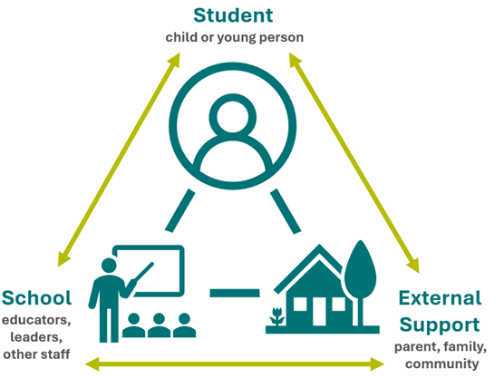
We believe that strong partnerships with parents and carers are essential to supporting children’s learning and development. As children access focus groups alongside their mainstream class, close communication between home, class teachers, and the Inclusion Team is key.
Regular communication takes place between mainstream class teachers and Focus group staff to ensure that progress, intervention outcomes, and next steps are shared consistently. This collaborative approach helps us provide joined-up support and ensures that children have a positive and successful experience across all learning environments.
Parents and carers can arrange appointments to discuss their child’s progress, interventions, and support with Molly Rush, Assistant SENDCo.
We also value feedback from families and recognise the important role parents and carers play in helping children achieve their potential. By sharing successes, challenges, and aspirations, we can work together to provide consistent support both at home and at school.
By working in partnership, we can ensure that every child receives the personalised support they need to develop confidence, positive learning behaviours, independence, and the skills needed to access mainstream learning successfully.
Total Communication:


Communication is central to learning, participation, and building positive relationships. We use a Total Communication approach, recognising and valuing the many ways children communicate and engage with the world around them.
We support children to understand, express themselves, access learning, and participate confidently through a range of communication methods, including:
To support communication and understanding, we use Widgit® symbols and software throughout the provision. These visual supports help children access routines, learning activities, instructions, and key information clearly, consistent, and meaningful. Staff also use visual communication resources to promote independence and reduce barriers to learning.
By providing multiple ways to communicate, we help children develop confidence, engagement, and self-expression. Our Total Communication approach supports children to become active participants in their learning, while ensuring that all forms of communication are recognised, respected, and valued.
Information for families:
We are committed to working in partnership with parents and carers to ensure every child receives the support they need to thrive. The following resources provide valuable information, advice and guidance for families of children with Special Educational Needs and Disabilities (SEND).
National Guidance and Information
SEND Code of Practice (0–25 Years) The statutory guidance that explains how children and young people with SEND should be supported in England. This is the key document underpinning all SEND provision. https://www.gov.uk/government/publications/send-code-of-practice-0-to-25
SEND: Guide for Parents and Carers A government guide explaining SEND support, Education, Health and Care Plans (EHCPs), and the roles of schools and local authorities. https://www.gov.uk/children-with-special-educational-needs
Education, Health and Care Plans (EHCPs) Information about requesting an EHC needs assessment, EHCP processes, timescales and appeals. https://www.gov.uk/children-with-special-educational-needs/extra-SEN-help
Independent Advice and Legal Support
IPSEA (Independent Provider of Special Education Advice) Offers free SEND legal guides, template letters, helplines and information about EHCPs, assessments and educational rights. https://www.ipsea.org.uk
SOS!SEN Independent charity providing free advice and support for parents navigating the SEND system, including EHCP applications and appeals. https://sossen.org.uk
Parent Support and Family Advice
Contact A national charity supporting families with disabled children. Provides a helpline, workshops, emotional support, benefits advice and parent resources. https://contact.org.uk
KIDS Provides SEND advice, family support, mediation services and resources to help families understand their rights and access support. https://www.kids.org.uk
Understanding EHCPs
Council for Disabled Children (CDC) Offers practical guidance and examples of high-quality Education, Health and Care Plans, along with resources to help families understand the EHCP process. https://councilfordisabledchildren.org.uk
Local Support
SEND Information, Advice and Support Service (SENDIASS) Every local authority provides a free, impartial SENDIASS service offering information and advice about SEND processes, assessments and support. Search for your local service: SENDIASS
Local Offer Your local authority’s “Local Offer” outlines available education, health and social care services for children and young people with SEND. Reading Directory | Special Educational Needs & Disabilities – Reading’s Local Offer
Condition-Specific Support
National Autistic Society (NAS) The UK’s leading charity for autistic people and their families. Offers practical advice, education guidance, parent training, behaviour support, transition advice and information about autism in schools. https://www.autism.org.uk
Down’s Syndrome Association (DSA) Provides information, resources, training and support for families, professionals and schools supporting children and young people with Down syndrome. https://www.downs-syndrome.org.uk
The ADHD Foundation Resources, training and advice for families supporting children with ADHD and neurodiversity. https://www.adhdfoundation.org.uk
Cerebra A charity supporting children with neurological conditions and their families, including legal guides, sleep advice and practical resources. https://cerebra.org.uk
Parent Advice and SEND Information
Special Needs Jungle A highly respected parent-led website offering straightforward advice on EHCPs, SEND law, inclusion, benefits and education rights. https://www.specialneedsjungle.com
BBC Bitesize – SEND and Additional Needs Useful articles and guidance for parents on supporting children’s learning, wellbeing, anxiety and additional needs. https://www.bbc.co.uk/bitesize
Family Fund Provides grants and support for families raising disabled or seriously ill children. https://www.familyfund.org.uk
Communication and Speech & Language Support
Makaton Charity Official Makaton resources, symbols, signs and training opportunities. https://makaton.org
Speech and Language UK Advice and resources for families supporting children with speech, language and communication needs. https://speechandlanguage.org.uk
Emotional Wellbeing and Mental Health
YoungMinds Advice, parent helpline and practical support for children’s emotional wellbeing and mental health. https://www.youngminds.org.uk
Anna Freud National Centre for Children and Families Resources for supporting emotional wellbeing, anxiety and resilience. https://www.annafreud.org
SEND Learning and Educational Resources
Twinkl SEND Resources Printable resources, visual timetables, social stories and SEND-specific learning materials. https://www.twinkl.co.uk/resources/send-inclusion-teaching-resources
Oak National Academy Free online lessons and learning resources suitable for a wide range of learning needs. https://www.thenational.academy